SKI 2026 Lab Reflections from Banff
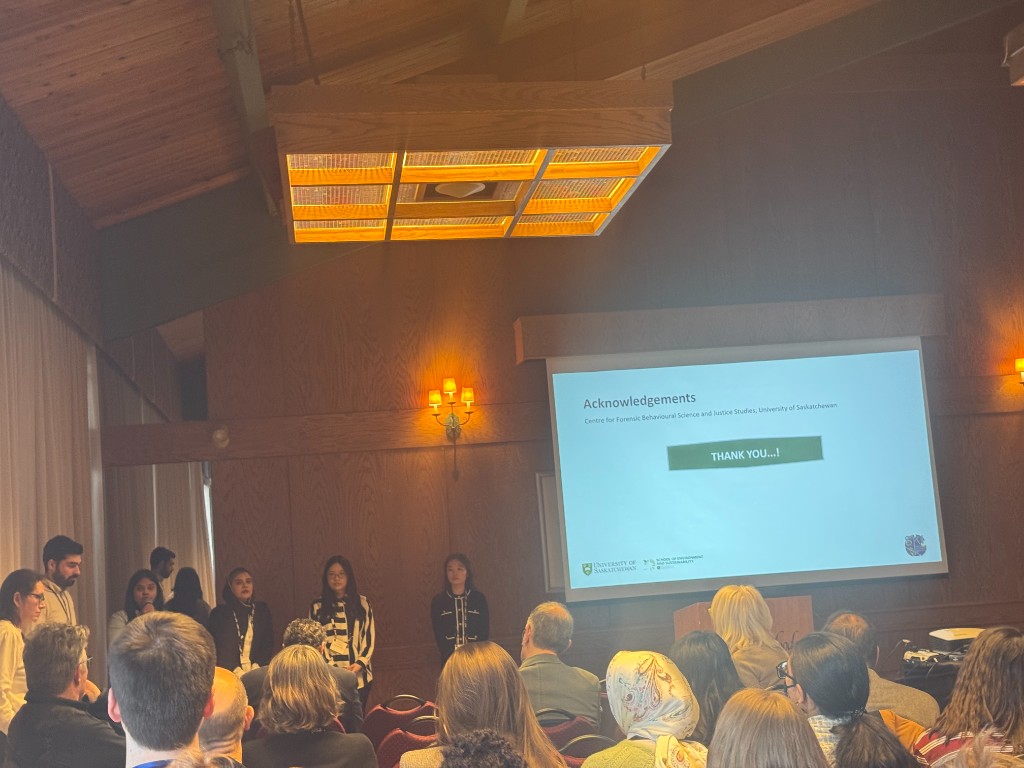
The 9th Conference on Spatial Knowledge and Information (SKI) Canada took place in Banff, Alberta, February 19–22, 2026, bringing together researchers in geographic information science, spatial data science, and related disciplines from across Canada. Our lab was there to present and connect—and to take in the mountains. Below, three lab members reflect on the experience.
Dr. Erin Li: Attending the SKI conference was a wonderful experience and a valuable opportunity to share our work with the geography and geospatial community. It was inspiring to see the diversity of interesting research topics presented and to engage in thoughtful discussions with scholars and students from different institutions. We were proud to promote agentic AI development as a distinctive direction of our lab, and it was especially encouraging to receive feedback from students at other universities who described our work as “super smart.” In addition to the academic exchange, we also had the chance to visit Lake Louise and Lake Minnewanka, making the trip both professionally meaningful and personally memorable.
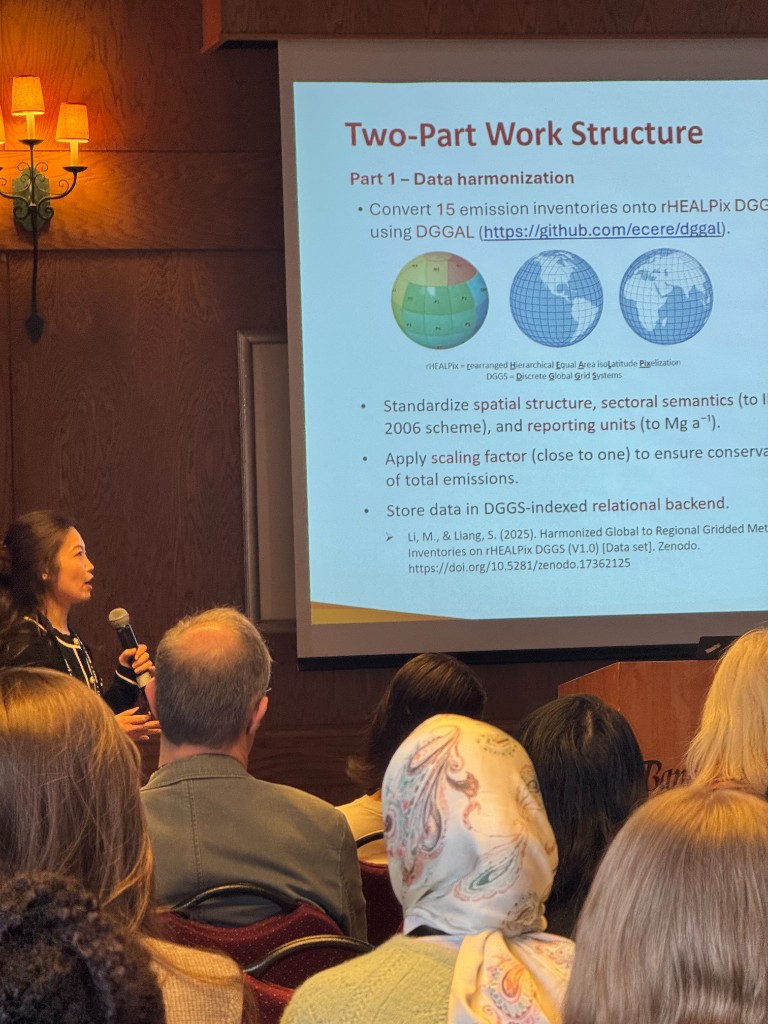
Jinya Wang: It was a wonderful two days. I had the chance to listen to many amazing presentations while also enjoying the beauty of Banff’s natural environment. After my own presentation, I was especially glad to receive ideas and feedback from different perspectives. It was a very valuable experience and great practice for me.
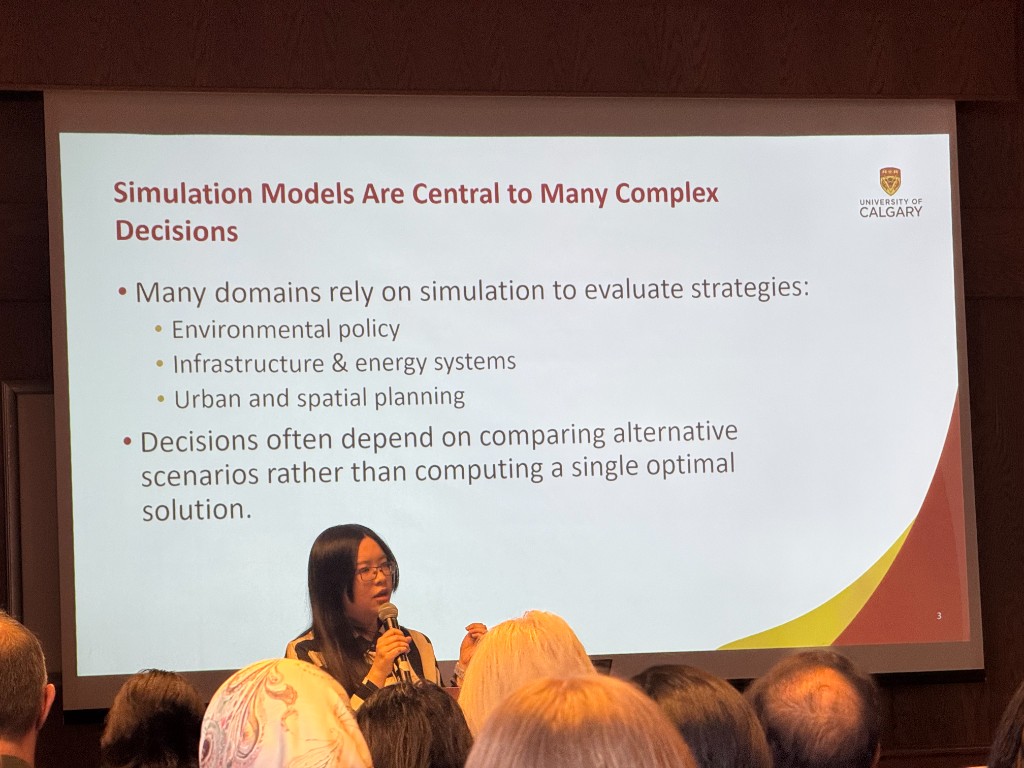
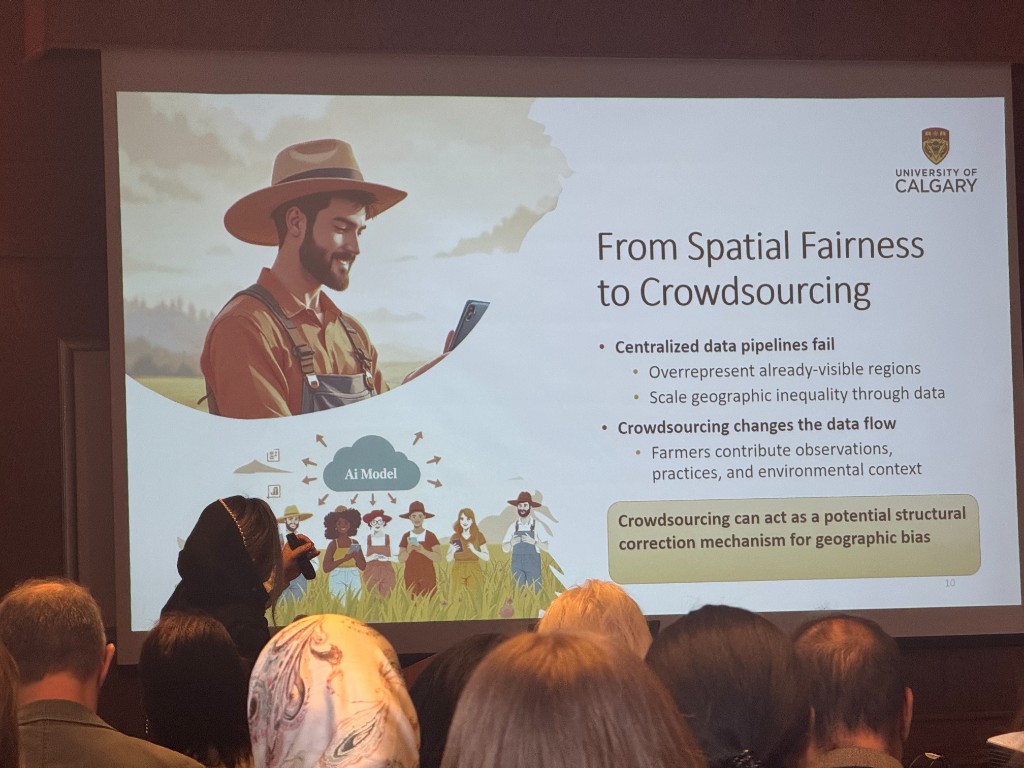
Yasaman Honarparvar: SKI 2026 offered a great opportunity to step outside my daily research routine and engage with the broader geospatial research community. During the conference, I presented my early-stage work on spatial fairness in large language models for digital agriculture, focusing on how geographic bias in training data can lead to uneven AI performance across regions. The discussions that followed were insightful and helped me refine how to evaluate these systems.
The program brought together a wide range of topics, including transport, environment, regional analysis, urban systems, citizen-centered research, modeling, and accessibility. Listening to work across these areas provided new perspectives on how spatial challenges appear in different contexts and reinforced the value of interdisciplinary thinking.
Outside the academic sessions, the experience was equally memorable. We explored Banff’s iconic landscapes, including Lake Louise and Lake Minnewanka, which created space for informal conversations and reflection beyond the conference setting. I also took part in the conference photo competition, adding a creative and enjoyable element to the event. Overall, SKI 2026 felt like a supportive space to share early ideas, build connections, and return with a clearer direction for the next stage of my research.
Conference website: skiconference.ca/2026
Enjoy Reading This Article?
Here are some more articles you might like to read next: